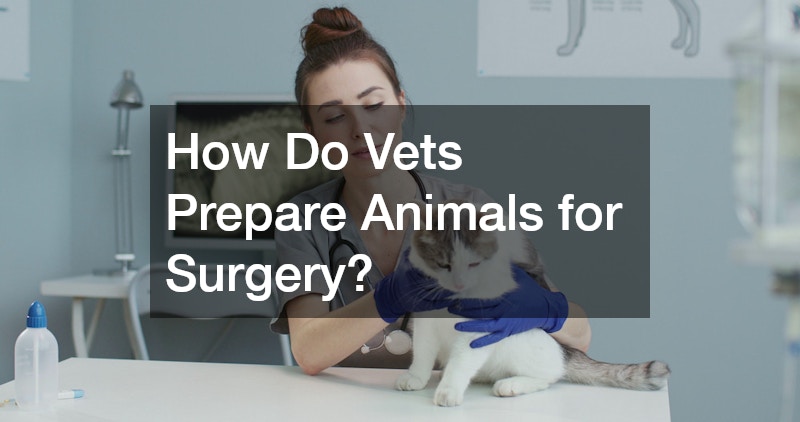

Veterinary surgery is a crucial aspect of animal healthcare, designed to treat injuries, diseases, and deformities in animals. It’s a specialized branch of veterinary medicine that requires precision, care, and understanding of the patient’s needs. Vets undergo extensive training to perform these surgeries safely and effectively, mirroring the complexities of human surgery in many ways.
The preparation process for veterinary surgery is comprehensive and involves several key steps to ensure the safety and success of the procedure. Understanding these steps can help pet owners calm their anxiety and appreciate the rigorous efforts taken by veterinary professionals to safeguard their pets. This article delves into the meticulous processes and protocols vets adhere to when preparing animals for surgery.
In veterinary practices, surgery preparation not only involves knowing the medical history of the animal but also ensuring that the animal is in optimal health to withstand the surgical process. This involves a combination of physical examinations, laboratory tests, and detailed planning. Surgery preparation is not just about the vet’s role but also involves educating pet owners about the care needed before and after the procedure.
Pre-Surgical Assessment
The first step in preparing an animal for surgery is a thorough pre-surgical assessment. This initial stage involves a comprehensive physical examination of the animal to assess its overall health and identify potential risk factors that might complicate the procedure. Vets will often perform diagnostic tests such as blood work and imaging to ensure the animal is fit for surgery.
Blood tests can reveal underlying conditions such as anemia, infection, or organ dysfunction that need to be addressed before surgery. Imaging techniques like X-rays or ultrasounds help vets visualize internal structures and make informed decisions about the surgical plan. It’s essential for vets to understand the animal’s medical history, including any previous surgeries, medications, or reactions to anesthesia.
Pet owners should provide complete information about their pets’ health history, as it can influence the vet’s decisions during the pre-surgical assessment. It’s a collaborative effort between the pet owner and the veterinary team to ensure complete transparency about the animal’s health. The vet will also discuss the surgical procedure, potential risks, and expected outcomes to prepare the pet owner for what lies ahead.
Preparing the Animal Physically
Once the pre-surgical assessment is concluded, the next step is to prepare the animal physically for the surgery. This involves fasting the animal for a certain period before the procedure to prevent complications associated with anesthesia, such as vomiting and aspiration. The duration of fasting is usually determined by the vet based on the animal’s age, size, and health condition.
During this period, vets also take special measures to ensure the animal’s comfort and reduce stress. Providing a calm environment and using gentle handling techniques are essential strategies to help keep the pet relaxed before surgery. If necessary, vets may prescribe sedatives to manage anxiety and ensure the animal remains calm during transport to the surgery suite.
Furthermore, preparing an area of the animal’s body for incision is critical. This typically involves shaving the fur from the surgical site and thoroughly cleaning the area to reduce the risk of infection. The vet team will use antiseptic solutions to disinfect the skin, which is a pivotal step in maintaining aseptic conditions, crucial for a successful surgery.
Administering Anesthesia and Monitoring
Administering anesthesia is one of the most critical steps in veterinary surgery preparation. Anesthesia ensures that the animal remains unconscious and pain-free during the procedure, allowing the vet to perform the surgery effectively. The type and dosage of anesthesia are determined based on the animal’s weight, age, and health status.
Once anesthesia is administered, continuous monitoring is essential to ensure the animal’s safety. Veterinary professionals use advanced monitoring equipment to track the animal’s vital signs, like heart rate, respiratory rate, and blood pressure. This ongoing assessment allows the vet team to respond quickly to any changes that could compromise the animal’s well-being during surgery.
Anesthetists play a vital role in this process, as they are trained to manage anesthesia and address any adverse reactions that may occur. Their expertise ensures that anesthesia is administered safely and adjusted as necessary throughout the procedure. Effective communication among the surgical team members is also essential to ensure that any issues are promptly identified and addressed.
Postoperative Care Planning
Post-surgery care is as important as the surgery itself, ensuring the animal’s smooth and successful recovery. Once the procedure is complete, the veterinary team designs a detailed postoperative care plan tailored to the specific needs of the animal. This plan often includes pain management, wound care, and instructions for keeping the animal calm and comfortable.
The vet will typically provide instructions on medication administration, dietary changes, and activity restrictions to facilitate healing. It’s vital for pet owners to adhere to these guidelines to prevent complications such as infection or delayed healing. Regular follow-up appointments are scheduled to monitor the animal’s recovery progress and make any necessary adjustments to the care plan.
Communication between the vet and pet owner is crucial during the recovery phase. Pet owners should report any unusual symptoms immediately, such as changes in behavior, appetite, or signs of pain. Establishing a collaborative relationship with the veterinary team ensures that the animal receives the best possible care throughout its recovery journey.
Conclusion
Veterinary surgery is an intricate process that demands careful planning, skilled professionals, and close collaboration between vets and pet owners. From initial assessments to postoperative care, each stage is imperative to the success and safety of the surgical procedure. Recognizing these efforts can enhance the trust pet owners place in their veterinary care providers.
By understanding how vets prepare animals for surgery, pet owners can feel more confident about entrusting their beloved companions to veterinary professionals. Proper preparation not only secures the wellbeing of the animal during surgery but also paves the way for their healthy recovery. This meticulous attention to detail underscores the dedication of veterinary teams in providing top-quality medical care for animals.
The advancement and refinement of veterinary surgical techniques continue to improve, enhancing the outcomes for animals undergoing surgery. Vets and their teams are steadfast in their commitment to implementing the highest standards of care, ensuring the health and happiness of their animal patients. Such diligence in veterinary surgery reflects the importance of maintaining the highest levels of safety and efficiency.

About the Author