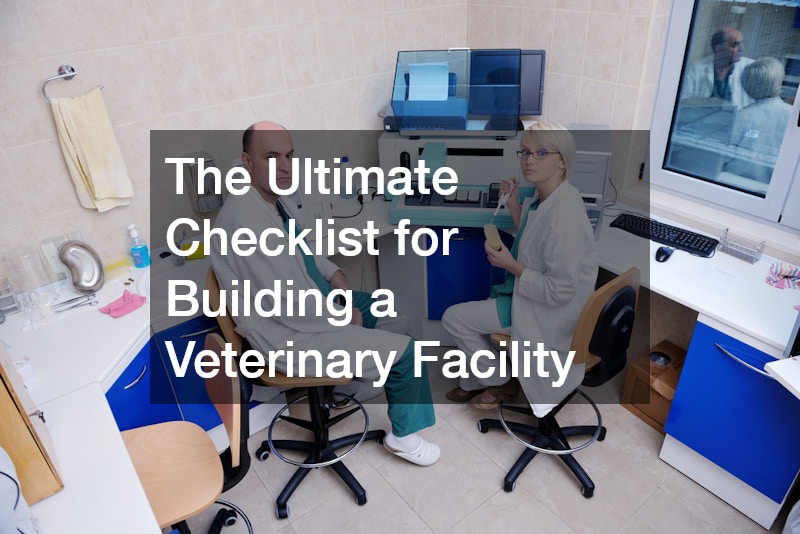

Building a veterinary facility is one of the most significant investments a practice owner can make. Whether the goal is to launch a new clinic, expand services, or replace an outdated building, the planning process involves much more than choosing a floor plan and hiring a contractor. Every decision affects patient care, staff productivity, client satisfaction, and long-term profitability.
Modern veterinary facilities must support advanced medical technology, comply with strict regulations, and provide a comfortable environment for both animals and their owners. At the same time, owners must balance budgets, timelines, and operational needs throughout the project. Having a detailed checklist can help ensure that nothing important is overlooked during the development process.
The most successful facilities are designed with both current demands and future growth in mind. From selecting the right property to implementing sanitation protocols, every stage requires careful attention. By following a structured approach, veterinary professionals can create a facility that serves their community for decades to come.
Define Your Practice Goals and Services

The first step in building a veterinary facility is determining exactly what services the practice will provide. A clinic focused on routine wellness visits will have different requirements than a specialty center offering surgery, diagnostics, and overnight care. Defining these goals early helps establish a clear direction for the entire project.
Practice owners should consider both immediate needs and future opportunities when developing their service model. Additional offerings such as boarding, grooming, rehabilitation, and specialty treatments may require dedicated spaces that should be incorporated into the initial design. Planning can eliminate the need for expensive modifications later.
Facilities that intend to provide urgent veterinary care must also account for unique operational requirements. Rapid patient intake, triage areas, and specialized treatment rooms can improve response times and support better outcomes. Identifying these needs from the beginning allows architects and designers to create a layout that supports efficient workflows.
Select the Ideal Location
Choosing the right location is one of the most important decisions in the entire project. The property should be easily accessible, visible to potential clients, and large enough to accommodate future growth. A convenient location can significantly influence patient volume and long-term business success.
Parking availability is another critical factor that deserves careful evaluation. Clients often arrive with anxious pets, making convenient parking and simple building access especially important. Adequate parking also supports employees, delivery vehicles, and emergency service operations.
Market research should play a key role during site selection. Understanding local demographics, pet ownership trends, and competing veterinary providers can help determine whether a location offers sufficient demand. Practices that plan to operate as an emergency vet facility may benefit from locations near major roads that allow clients to reach the clinic quickly during urgent situations.
Build the Right Professional Team
A veterinary facility is a highly specialized building that requires expertise from multiple disciplines. Hiring experienced professionals early in the process can help prevent delays, budget overruns, and costly mistakes. The project team should include architects, engineers, consultants, and contractors with healthcare construction experience.
Site development often requires collaboration with a qualified civil engineering service provider. These professionals help address grading, drainage, utility connections, environmental concerns, and local permitting requirements. Their work ensures the site is prepared properly before construction begins.
A skilled structural engineer is equally important during the planning phase. Veterinary facilities frequently house heavy medical equipment, specialized mechanical systems, and large treatment areas that require careful structural analysis. By involving structural experts early, owners can ensure the building is safe, durable, and capable of supporting future expansion.
Design an Efficient Layout
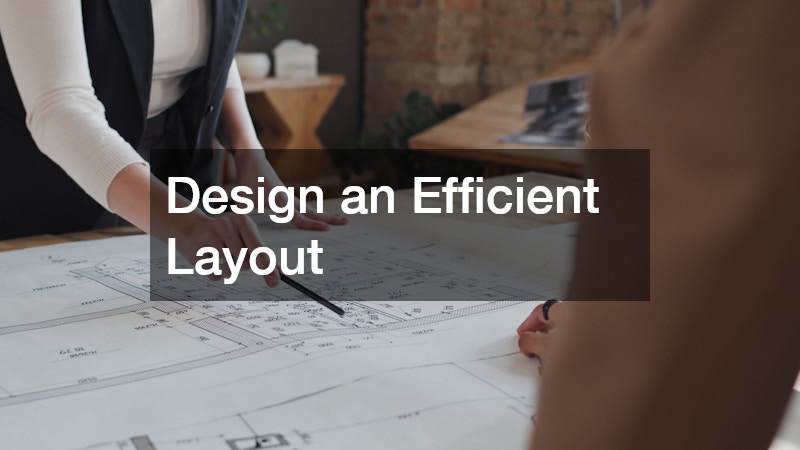
An effective floor plan supports both operational efficiency and positive client experiences. Every room should serve a clear purpose while contributing to smooth movement throughout the facility. Thoughtful layouts help reduce stress for animals, improve staff productivity, and enhance patient care.
Reception areas should provide sufficient space for clients while minimizing interactions between nervous animals. Many facilities incorporate separate waiting areas for dogs and cats to create a calmer environment. These design choices can significantly improve the overall experience for both pets and their owners.
Back-of-house spaces deserve equal attention during the design process. Treatment rooms, laboratories, surgery suites, imaging areas, and recovery spaces should be arranged to support efficient workflows. Proper room placement can reduce unnecessary movement and help staff respond more quickly to patient needs.
Plan Infrastructure and Technology Systems
Technology plays a central role in modern veterinary medicine. As a result, infrastructure planning should begin long before equipment is purchased or installed. Electrical, data, and communication systems must support both current operations and future technological advancements.
Many veterinary facilities rely on digital radiography, ultrasound equipment, electronic medical records, and cloud-based management software. These systems require reliable power sources, strong network connectivity, and adequate data capacity. Investing in robust infrastructure during construction can prevent expensive upgrades later.
Facilities that function as an animal hospital often require even more advanced systems. Oxygen delivery networks, intensive care monitoring equipment, and specialized surgical technology place additional demands on building infrastructure. Planning for these requirements early helps ensure seamless integration and long-term operational reliability.
Prioritize Infection Control Measures
Infection prevention is one of the most important responsibilities of any veterinary facility. Building materials and operational procedures should support effective cleaning and disinfection throughout the clinic. Thoughtful design choices can significantly reduce the risk of disease transmission.
Durable, nonporous surfaces are ideal for veterinary environments. Flooring, walls, and countertops should withstand frequent cleaning and exposure to disinfectants without deteriorating. Seamless materials are particularly beneficial because they eliminate areas where bacteria and contaminants can accumulate.
Ventilation systems also contribute to infection control efforts. Proper airflow helps manage odors, improve indoor air quality, and reduce the spread of airborne pathogens. Facilities that treat infectious patients may require dedicated isolation rooms with specialized ventilation systems to enhance safety for animals and staff.
Establish Reliable Sanitation and Support Services
Building the facility is only part of maintaining a healthy veterinary environment. Ongoing operational support services are equally important for sustaining cleanliness and regulatory compliance. Planning for these services before opening can help create consistent procedures from day one.
Partnerships with providers of medical laundry services ensure that bedding, surgical drapes, towels, and uniforms are cleaned according to appropriate healthcare standards. Proper laundry management helps reduce contamination risks while supporting efficient daily operations. Reliable service providers can also minimize staffing burdens by handling specialized cleaning requirements.
Comprehensive janitorial sanitation programs should also be established for the facility. Regular cleaning schedules, documented protocols, and staff training help maintain high standards throughout exam rooms, treatment areas, offices, and public spaces. A clean environment protects patients and reinforces client confidence in the practice.
Prepare for Emergency and Critical Care Operations
Even facilities that primarily provide routine veterinary services should be prepared to handle emergencies. Medical crises can occur unexpectedly, and a well-designed facility allows staff to respond quickly and effectively. Emergency preparedness should be integrated into both the physical design and operational planning process.
Dedicated triage spaces help staff evaluate incoming patients efficiently. Treatment rooms should provide immediate access to oxygen, medications, monitoring equipment, and emergency supplies. Organized layouts can reduce response times when every second matters.
Backup systems are another essential consideration. Emergency generators can maintain critical equipment during power outages and help protect vulnerable patients. Facilities that expect to handle a high volume of emergency cases may also require expanded treatment areas, surgical suites, and intensive care capabilities.
Focus on Durable Construction Materials
Veterinary facilities experience substantial wear every day. Animals, equipment, cleaning chemicals, and continuous foot traffic create demanding conditions that can quickly degrade low-quality materials. Choosing durable products from the beginning can significantly reduce maintenance costs over time.
Owners should evaluate flooring, cabinetry, wall finishes, and fixtures based on long-term performance rather than initial price alone. Durable materials often require fewer repairs and replacements, resulting in lower operating expenses. Investing in quality construction can also help maintain a professional appearance for years to come.
Working with experienced commercial construction professionals is essential during this phase. Contractors who understand veterinary environments can recommend materials and systems designed specifically for healthcare-related applications. Their expertise can improve both durability and functionality throughout the facility.
Invest in Roofing and Building Protection

The roof is one of the most critical components of any veterinary facility. A high-quality roofing system protects medical equipment, building infrastructure, and patient care areas from weather-related damage. Neglecting roofing considerations during construction can lead to expensive problems later.
Selecting durable roofing materials should be a priority during project planning. Energy-efficient roofing systems can also contribute to lower utility costs and improved indoor comfort throughout the year. These benefits make roofing decisions an important part of long-term facility management.
Partnering with a reputable commercial roofer helps ensure proper installation and performance. Experienced roofing professionals understand how to address drainage, insulation, and weatherproofing requirements for healthcare-related buildings. Their expertise can help extend the lifespan of the facility while reducing future maintenance concerns.
Plan for Future Growth and Adaptability
A veterinary facility should be designed to evolve alongside the practice. As client needs change and technology advances, the building should be capable of accommodating new services and operational requirements. Flexibility is one of the most valuable features a facility can offer.
Modular spaces and adaptable room designs make future changes easier and more affordable. Extra utility capacity, flexible floor plans, and expandable treatment areas can support growth without requiring major reconstruction. Planning for expansion from the beginning often saves significant money over the life of the facility.
Eventually, some practices may choose to pursue a veterinary clinic renovation to modernize their space or support additional services. Facilities designed with adaptability in mind are better positioned to handle these updates efficiently. A forward-thinking approach ensures that the building continues to meet the needs of patients, clients, and staff well into the future.
Budget Carefully and Monitor Project Costs
Establishing a realistic budget is one of the most important steps when building a veterinary facility. Construction costs can vary significantly depending on location, building size, materials, equipment requirements, and labor expenses. Creating a detailed budget early in the planning process helps owners make informed decisions and avoid unexpected financial challenges.
A comprehensive budget should include more than just construction expenses. Permits, engineering fees, utility connections, furnishings, technology infrastructure, medical equipment, landscaping, and contingency funds should all be accounted for. Many project owners underestimate these secondary costs, which can lead to budget overruns if they are not carefully planned from the start.
Regular financial reviews throughout the project can help keep spending on track. Working closely with contractors, architects, and financial advisors allows owners to identify potential cost increases before they become major issues. Consistent monitoring also provides opportunities to make adjustments that protect the project’s overall goals without sacrificing quality or functionality.
Building a veterinary facility should be viewed as a long-term investment rather than a short-term expense. Strategic spending on quality materials, efficient systems, and future-ready infrastructure often produces substantial savings over the life of the building. By managing costs carefully and planning for the unexpected, veterinary practice owners can create a facility that delivers lasting value and supports sustainable growth.
Building a veterinary facility is a complex process that requires careful planning, expert guidance, and attention to detail. Every stage of the project, from defining services and selecting a location to implementing sanitation protocols and planning for future growth, contributes to the overall success of the practice. A comprehensive checklist helps ensure that important considerations are addressed before construction begins.
Veterinary professionals who invest time in proper planning are more likely to create facilities that support exceptional patient care and efficient daily operations. By assembling the right team, prioritizing quality construction, and designing for adaptability, owners can maximize the value of their investment. These decisions not only improve business performance but also enhance the experience for staff, clients, and animal patients.
Ultimately, a well-designed veterinary facility serves as the foundation for long-term success. It creates an environment where medical professionals can work effectively, animals can receive high-quality care, and communities can access the services they need. With thoughtful preparation and strategic decision-making, practice owners can build a facility that remains functional, welcoming, and successful for many years to come.
About the Author