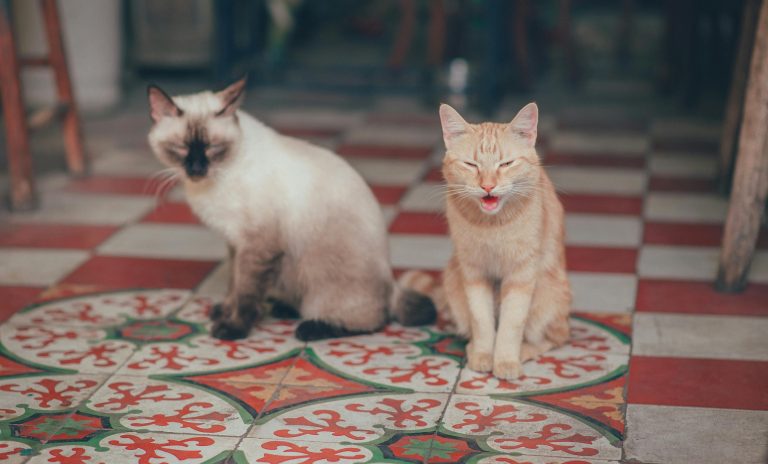

Bringing home a new kitten is exciting. Tiny paws, playful energy, and curious eyes can quickly fill your home with joy. But if you already have a resident cat, you may also feel nervous. Will they get along? Will your older cat feel jealous or threatened?
The good news is that many cats learn to accept — and even bond with — a new kitten over time. However, acceptance rarely happens overnight. It is usually gradual and subtle.
In this guide, we’ll explore the clear signs your cat is accepting the new kitten and bonding, what healthy progress looks like, and how you can support a peaceful relationship between them.
Understanding the Adjustment Period
Before looking for bonding signs, it helps to understand that adjustment takes time.
Cats are territorial animals. When a kitten enters the home, your resident cat may feel:
- Protective of their space
- Unsure about the newcomer
- Curious but cautious
- Slightly stressed at first
This is normal.
The key is to watch for progress over days and weeks. Small improvements matter. Acceptance often develops in stages.
Sign #1: Reduced Hissing and Growling
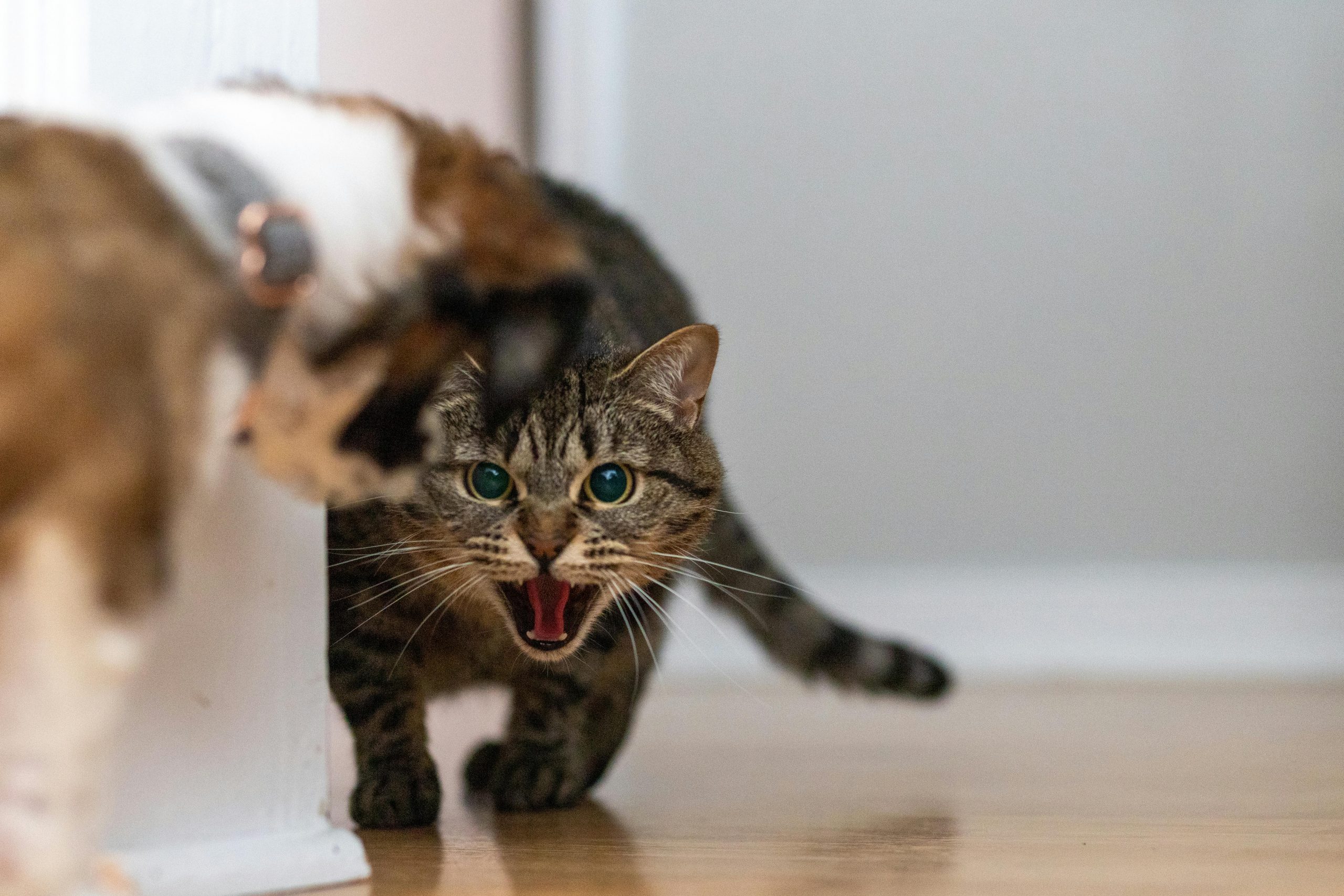
At the beginning, some hissing is expected. It’s your cat’s way of saying, “I’m not sure about this.”
A positive sign is when:
- Hissing becomes less frequent
- Growling stops quickly
- Your cat walks away instead of escalating
When vocal warnings decrease over time, it shows your cat feels less threatened.
This is one of the earliest signs your cat is accepting the new kitten.
Sign #2: Calm Body Language
Body language speaks louder than sound.
Signs of calm acceptance include:
- Relaxed tail position
- Ears facing forward
- Soft eyes
- Grooming themselves near the kitten
- Lying down in the same room
If your cat can rest or nap while the kitten is nearby, that’s a strong sign of growing comfort.
Sign #3: Sharing Space Without Tension
Early on, cats may avoid each other completely. That’s okay.
Progress happens when they:
- Sit in the same room calmly
- Eat several feet apart without issue
- Use litter boxes without conflict
- Walk past each other without freezing
Sharing space peacefully shows territorial boundaries are softening.
Sign #4: Mutual Play
Play is a powerful bonding tool.
Healthy play includes:
- Gentle chasing
- Paw tapping without claws
- Taking turns being the “chaser”
- Play bows or playful body posture
If both cats willingly engage and neither seems frightened, this is a great sign.
Play helps build trust and release energy.
Sign #5: Grooming Each Other
Mutual grooming, also called “allogrooming,” is a major bonding milestone.
You may notice:
- Licking each other’s heads
- Cleaning ears
- Grooming faces
This behavior shows trust and social connection.
Not all cats groom each other, but when they do, it is a strong sign of acceptance.
Sign #6: Sleeping Near Each Other
Sleep is a vulnerable state for cats.
If your resident cat:
- Sleeps beside the kitten
- Shares a couch
- Naps on the same bed
This means they feel safe.
Even resting a few feet apart shows comfort.
Sign #7: Teaching Behavior
Older cats sometimes take on a teaching role.
You may see:
- Gentle correction swats
- Short hisses that stop quickly
- Controlled play boundaries
These are not aggressive acts. They are communicating.
As long as the kitten responds and retreats appropriately, this dynamic is healthy.
Sign #8: No Resource Guarding
When acceptance grows, cats stop guarding resources.
Positive signs include:
- Eating in the same room
- Sharing toys
- Using scratching posts without conflict
- Drinking from the same water station
Resource sharing shows reduced territorial anxiety.
Sign #9: Relaxed Tail Touching or Nose Touches
Friendly gestures include:
- Nose-to-nose greetings
- Tail wrapping
- Gentle head bumps
These small moments show social bonding.
Head bunting, in particular, is a sign of affection.
Sign #10: Your Resident Cat Maintains Normal Routine
Another important sign is stability.
If your older cat:
- Eats normally
- Uses the litter box consistently
- Plays with you
- Sleeps in usual spots
This means stress levels are low.
Disruption of routine can indicate unresolved tension.
What Bonding Does NOT Always Look Like
It’s important to manage expectations.
Not all cats:
- Cuddle together
- Groom constantly
- Play daily
Some cats simply coexist peacefully.
Peaceful coexistence is still a success.
When Progress Slows Down
Sometimes bonding plateaus.
If you notice tension returning, review the introduction process.
It may help to revisit earlier steps, especially if you noticed warning signs when introducing cats such as persistent aggression or litter box problems.
Setbacks happen, but consistency helps.
How to Encourage Stronger Bonding
You can support their relationship with simple strategies.
Feed Them Near Each Other
Positive associations grow when good things happen together.
Try:
- Feeding meals at the same time
- Gradually decreasing distance between bowls
Play Together
Interactive toys can:
- Burn off kitten energy
- Reduce stress
- Build shared experiences
Wand toys work well for group play.
Provide Vertical Space
Cat trees and shelves allow:
- Escape routes
- Safe observation
- Reduced conflict
Vertical territory lowers tension.
Maintain Equal Attention
Avoid favoritism.
Give:
- Equal playtime
- Individual cuddles
- Separate rest spaces
This prevents jealousy.
How Long Does Bonding Take?
Bonding time varies.
It may take:
- A few days for easygoing cats
- Several weeks for cautious cats
- A few months for territorial cats
Age and personality matter.
Kittens are often easier to introduce because they are less threatening.
Signs You Should Slow Down
Even if you start seeing positive signs of bonding, it’s important to stay observant. Progress is not always linear. Cats can have good days and stressful days, especially during the first few weeks of living together. If tension begins to increase instead of decrease, it may be a sign that the introduction is moving too quickly.
Watch closely for these red flags:
- Sudden aggression: If one or both cats suddenly begin hissing more, swatting harder, or lunging after previously calm interactions, it could mean they are feeling overwhelmed. A spike in aggressive behavior often signals that they need more space and slower exposure.
- One cat is constantly hiding: It’s normal for a new kitten to hide at first. However, if your resident cat starts hiding frequently or the kitten avoids common areas for long periods, stress may be building. Ongoing avoidance shows that one cat does not feel safe or comfortable.
- Appetite loss: A stressed cat may eat less or skip meals entirely. Monitor food intake closely. Changes in eating habits can indicate anxiety or emotional discomfort related to the new living situation.
- Persistent chasing Playful chasing involves taking turns. But if one cat is always the pursuer and the other is always fleeing, especially with tense body language or vocal distress, it may be bullying rather than play.
These behaviors indicate stress. Address issues early by separating the cats temporarily, revisiting scent-swapping steps, and shortening interaction times. Slowing down now can prevent long-term conflict and rebuild positive associations between them.
When to Seek Help

If serious tension continues:
- Consult a veterinarian
- Contact a certified cat behaviorist
Health problems can sometimes cause irritability.
Professional advice can improve outcomes.
Final Thoughts
Recognizing the signs your cat is accepting the new kitten helps you feel confident during the adjustment period.
Look for:
- Reduced hissing
- Calm body language
- Shared space
- Playful interaction
- Grooming
- Sleeping nearby
- Stable routines
Bonding does not always look dramatic. Often, it is quiet and gradual.
With patience, structure, and careful observation, many cats learn not only to accept a new kitten — but to build a lasting relationship.
Every small step forward is progress. Celebrate calm moments and continue supporting both cats with consistency and care.
A peaceful multi-cat home is possible with time and understanding.
About the Author